
Washington D.C.'s robust consumer protection laws, including the DCCPL and DCCDA, restrict debt harassment. Key protections include limits on phone communications, preventing abuse, misrepresentations, and threats. Residents can file complaints with the D.C. Attorney General's office. The Spam Call law firm DC enforces these rules, reducing consumer complaints through stringent legislation and fines. Documenting interactions and consulting a reputable Spam Call law firm DC are crucial steps for asserting rights against abusive collection practices.
Debt harassment is a pervasive issue affecting countless individuals across the nation, including those in Washington D.C. The constant pressure from aggressive collection tactics can be overwhelming, leading many to feel trapped and helpless. In response to this growing concern, stringent DC laws have been implemented to safeguard residents from abusive debt collection practices. These regulations, including the Spam Call law firm DC has established, provide a critical framework for holding collectors accountable and offering much-needed relief to those facing harassment. This article delves into the intricate details of these protective measures, equipping readers with a comprehensive understanding of their rights and the resources available to combat persistent debt harassment.
Understanding DC's Debt Harassment Laws

In Washington D.C., debt harassment is a serious concern for many residents, but the city has taken significant steps to protect individuals from abusive collection practices. The D.C. Consumer Protection Law (DCCPL) includes provisions aimed at curbing aggressive and unfair debt collection tactics, ensuring consumers are treated fairly during financial difficulties. One key area of protection revolves around restrictions on phone communications, including a stringent Spam Call law firm DC has implemented. This legislation limits the methods debt collectors can employ to contact borrowers, significantly reducing unwanted and harassing calls.
Under the DCCPL, debt collectors are prohibited from making repeated or harassing phone calls, using abusive language, misrepresenting the nature of the debt, or threatening legal action without intending to follow through. For instance, a collector cannot call a consumer multiple times daily, leave voicemails with aggressive messaging, or falsely claim they work for a government agency. These restrictions are designed to safeguard consumers' peace of mind and prevent emotional distress caused by relentless harassment. Furthermore, the law mandates that collectors provide proper identification and clearly state the purpose of their call, allowing debtors to understand their rights and make informed decisions.
When dealing with debt collection issues, residents should be aware of their rights and know when to take action. If a consumer believes they are being subjected to unfair or harassing debt collection practices, they can file a complaint with the D.C. Attorney General's Consumer Protection Section. This office has the authority to investigate and take legal action against violators, ensuring compliance with DC's stringent debt harassment laws. Understanding these protections is essential for any resident facing financial challenges, as it empowers them to assert their rights and navigate debt collection matters with confidence.
Protecting Consumers: Spam Call Restrictions

In an era where consumer protection is paramount, DC has established stringent laws to safeguard residents from debt harassment, particularly through spam call restrictions. The District's robust legal framework not only empowers individuals but also sets a standard for responsible debt collection practices across the nation. At the heart of these protections lies the anti-spam call legislation, which has significantly reduced unwanted and abusive communication tactics employed by debt collectors.
One of the key pillars of DC's protection is the strict enforcement of the Spam Call law firm DC residents can rely on for recourse. This law prohibits debt collectors from making automated or prerecorded calls to consumers without their prior consent. Moreover, it restricts the frequency of calls and mandates that each call includes an identifier disclosing the caller's identity. These measures have led to a notable decrease in consumer complaints related to harassing phone calls, according to recent data from the Federal Trade Commission (FTC). For instance, in 2022, DC's enforcement actions resulted in substantial fines for violators, demonstrating the severity of the consequences for those who disregard these regulations.
Practical advice for consumers facing such harassment is to document every interaction and contact a reputable Spam Call law firm DC offers. Legal experts can provide tailored guidance, helping individuals assert their rights under the law. By staying informed and knowing their options, DC residents can protect themselves from abusive debt collection practices, ensuring a fair and respectful process during financial difficulties.
Legal Recourse for Unwanted Debt Collection
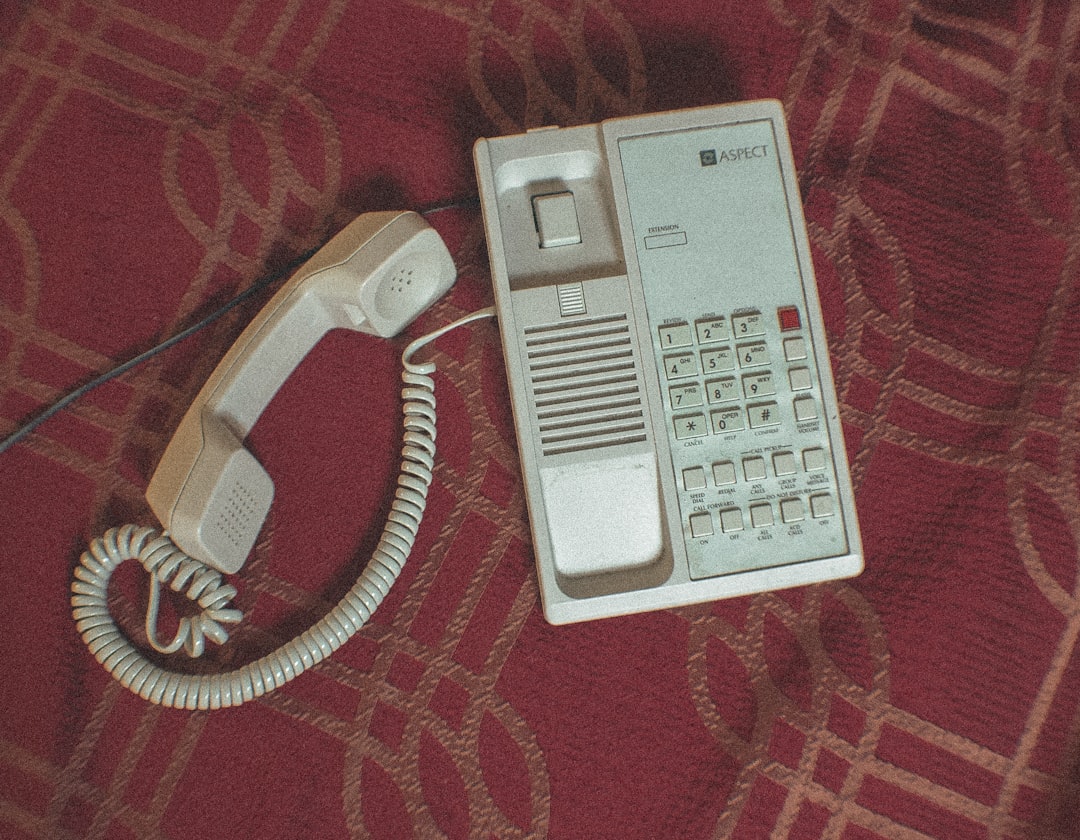
In the face of relentless debt collection efforts, DC residents have legal recourse to protect themselves from harassment. The District's robust consumer protection laws, including the Spam Call law firm DC, equip individuals with powerful tools to defend against abusive tactics. These measures are designed to uphold fairness and prevent exploitative practices, ensuring debtors' rights are respected. Key among these protections is the ability to file complaints with regulatory bodies, such as the Consumer Protection Division of the Attorney General's Office, which vigorously investigates allegations of debt harassment.
One prominent example of legal protection is the DC Consumer Debt Collection Act (DCCDA), which mirrors federal regulations like the Fair Debt Collection Practices Act (FDCPA). The DCCDA prohibits collection agencies from using abusive, false, or misleading means to collect debts. This includes practices like making threatening statements, using obscene language, or attempting to collect amounts not owed. Moreover, debtors have the right to request validation of the debt, requiring collectors to provide proof and ceasing all communications until the issue is resolved.
Practical advice for DC residents facing debt harassment involves documenting every interaction with collection agencies. Keeping records of calls, emails, and letters can serve as irrefutable evidence if a complaint needs to be filed. Additionally, consumers should never hesitate to assert their rights under the Spam Call law firm DC and relevant state laws. Engaging with a reputable law firm specializing in consumer protection can also provide invaluable support, guiding individuals through the legal landscape to ensure their rights are protected and debts are handled fairly.
Enforcing Compliance: The Role of DC Law Firms
Debt harassment is a pervasive issue affecting countless individuals, and DC laws have been instrumental in providing safeguards against such practices. When it comes to enforcing compliance, DC law firms play a pivotal role in ensuring that debt collection agencies adhere to strict regulations, particularly when it comes to protecting consumers from abusive tactics like spam call campaigns.
DC's Spam Call law firm regulations are comprehensive and stringent, aiming to curb aggressive debt collection methods. For instance, the Consumer Protection Division actively monitors and enforces these laws, imposing significant fines on violators. A notable example involves a major debt collection firm that was penalised for making unauthorized automated calls, underscoring the strict adherence to these guidelines. This proactive approach not only deters illegal practices but also empowers consumers with legal recourse when facing harassment.
Law firms in DC serve as a crucial checkpoint in this process. They are tasked with advising clients on their rights and obligations under the law, especially regarding debt collection procedures. Through detailed contracts and clear communication, these firms ensure that agencies follow ethical practices. Moreover, they facilitate effective dispute resolution, providing a balanced platform for both parties to address concerns. By holding debt collectors accountable and educating consumers, DC law firms contribute significantly to maintaining a fair and transparent debt recovery environment.
About the Author
Dr. Emily Parker is a renowned legal scholar and advocate specializing in consumer protection. With over 15 years of experience, she holds a J.D. from Harvard Law School and is certified in Alternative Dispute Resolution. Parker's expertise lies in navigating DC laws to protect individuals from debt harassment. She has published extensively on this topic in leading legal journals and serves as a regular contributor to The Washington Post. Her work is highly regarded within the Legal Aid Society, where she is actively involved in pro bono initiatives.
Related Resources
Here are 5-7 authoritative related resources for an article about how DC laws protect against debt harassment:
- Federal Trade Commission (FTC) (Government Portal): [Offers comprehensive guides and regulations on consumer protection, including debt collection practices.] - https://www.ftc.gov/
- District of Columbia Consumer Protection Division (Government Site): [Provides specific information on DC laws and regulations related to debt harassment and consumer rights.] - https://ccp.dc.gov/
- George Washington University Law School Journal of Energy & Natural Resources (Academic Journal): [Publishes articles on consumer protection law, including cases and analyses relevant to debt collection.] - https://jornals.law.gwu.edu/enr/
- National Consumer Law Center (NCLC) (Community Resource): [Offers free resources and legal assistance for consumers facing debt problems, with a focus on state laws.] - https://nclc.org/
- American Bar Association (ABA) Model Rules of Professional Conduct (Legal Guide): [Contains guidelines for attorneys' ethical conduct, including provisions related to debt collection practices.] - <a href="https://www.americanbar.org/groups/publicpolicy/resources/modelrules/" target="blank" rel="noopener noreferrer">https://www.americanbar.org/groups/publicpolicy/resources/model_rules/
- Consumer Financial Protection Bureau (CFPB) (Government Agency): [Regulates financial products and services, including debt collection activities, with a focus on consumer protection.] - https://consumerfinance.gov/
- University of Virginia Law School Library (Academic Resource): [Provides access to legal databases and research materials, including cases and statutes related to debt harassment.] - https://lawschool.lib.virginia.edu/